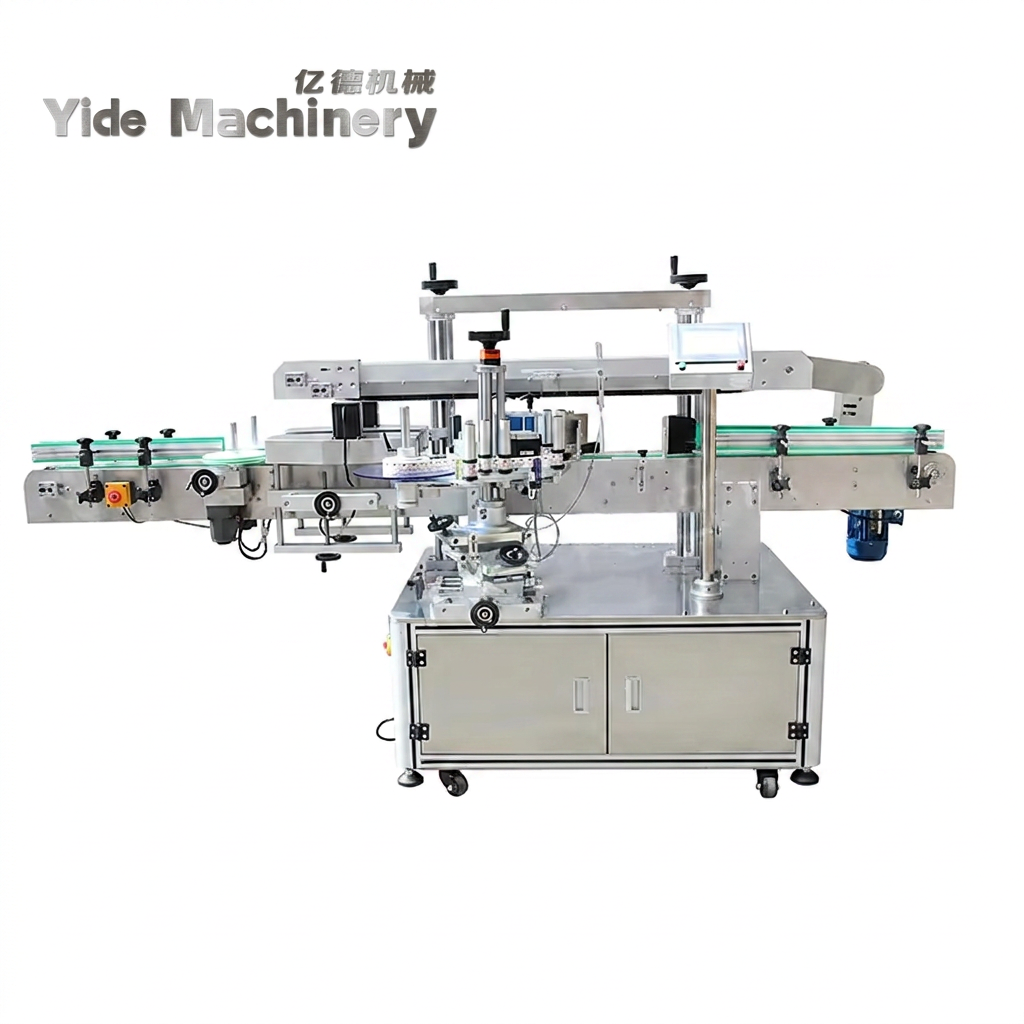
Candle Dipping Machines: The Game-Changer
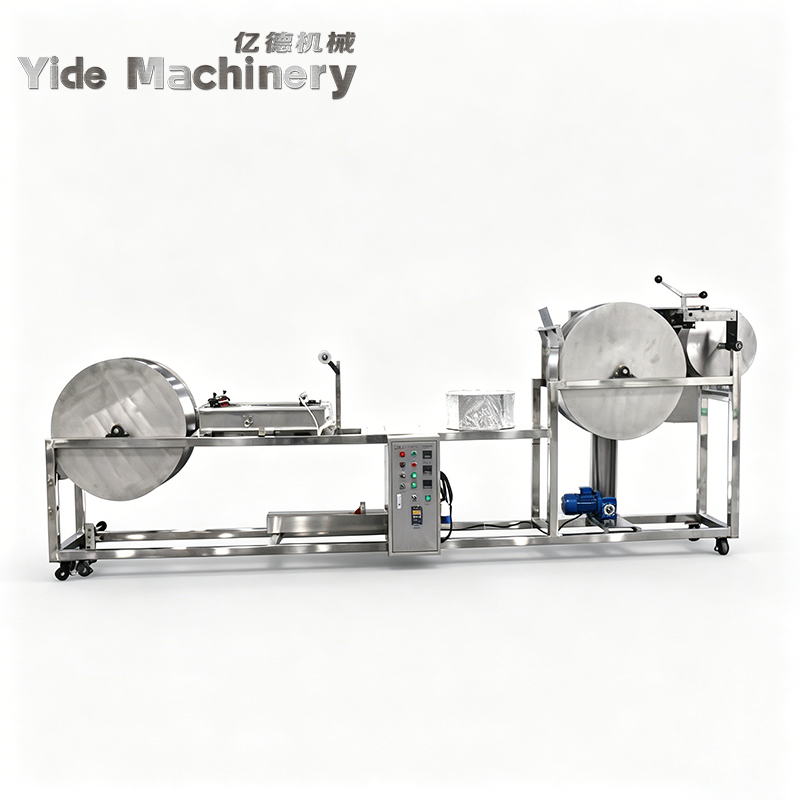
Candle dipping machines have revolutionized the candle-making industry, making the process faster, more efficient, and economically viable. These machines automate the manual labor-intensive task of dipping candles, ensuring consistent size and shape. By streamlining production, candle dipping machines have transformed the way candles are manufactured, eliminating unnecessary complexities and enhancing productivity.
Candle dipping dates back centuries, with manual methods prevailing until the 19th century when dipping machines emerged as a mass production solution. Prior to this innovation, candles were hand-dipped one by one, resulting in inconsistencies in quality and shape. The advent of dipping machines brought automation to the process, allowing for precise control over candle thickness and length. This technological advancement marked a significant shift in the candle-making industry, enabling manufacturers to produce high-quality candles at scale.
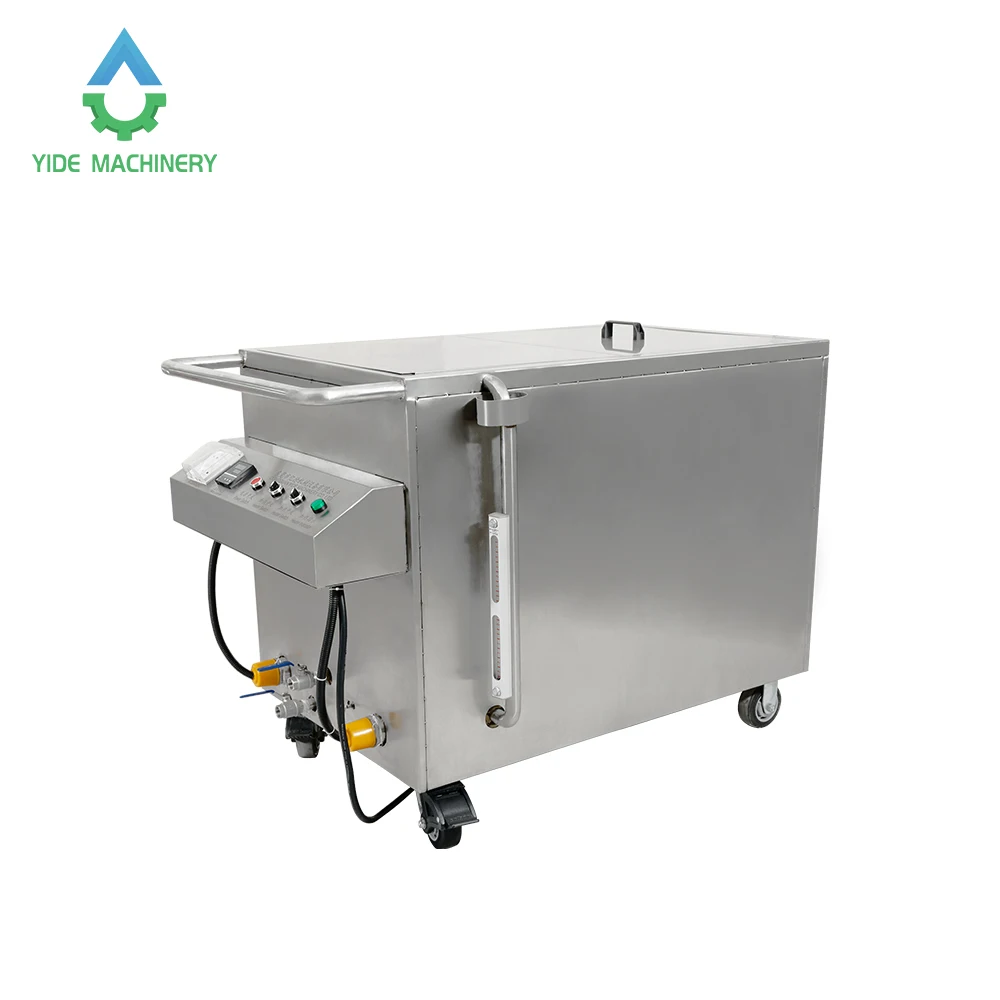
The efficiency of candle dipping machines is particularly beneficial for large-scale production. These machines can produce hundreds of candles per day, catering to businesses that operate on a wholesale level. By automating the dipping process, businesses can save time and reduce labor costs while ensuring uniformity in candle size and shape. Machine-dipped candles offer improved quality control compared to manual dipping methods, leading to enhanced output and profitability.
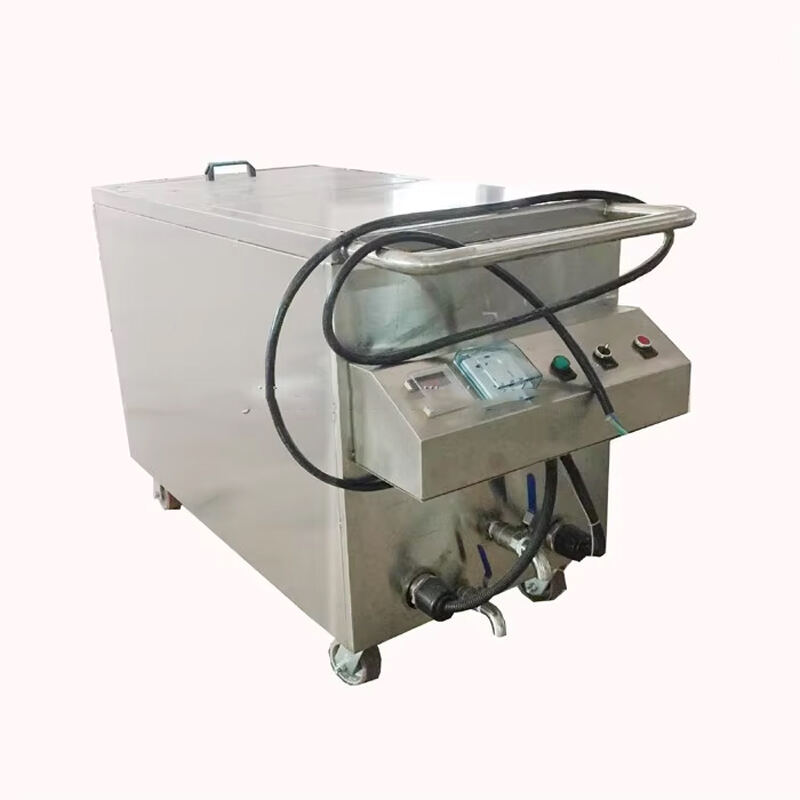
Candle dipping machines offer versatility in custom design configurations, allowing candle-makers to experiment with various colors, textures, and scents. This flexibility enables the creation of unique candle designs tailored to specific client preferences. By utilizing special molds and dipping techniques, businesses can unleash their creativity and produce customized candles that stand out in the market.

Investing in candle dipping machines is essential for both aspiring and established candle-makers. These machines not only optimize production efficiency but also enhance quality control, resulting in candles that meet customer expectations. As technology advances, candle dipping machines are poised to become more sophisticated, offering additional functionalities to further benefit the industry. In conclusion, the adoption of dipping machines represents a pivotal advancement in candle production, offering improved efficiency, cost savings, and quality assurance for manufacturers of all sizes.
With 1-year warranty as well a lifelong maintenance program, candle dipping machine inspection videos pictures be sent customers before shipment. After-sales problems resolved one hour solution delivered within 24 hours. clients impressed skilled team foreign trade as well considerate service. We have professional RD department turn your ideas actual machine. Production team will charge aspect production from moment receive goods.
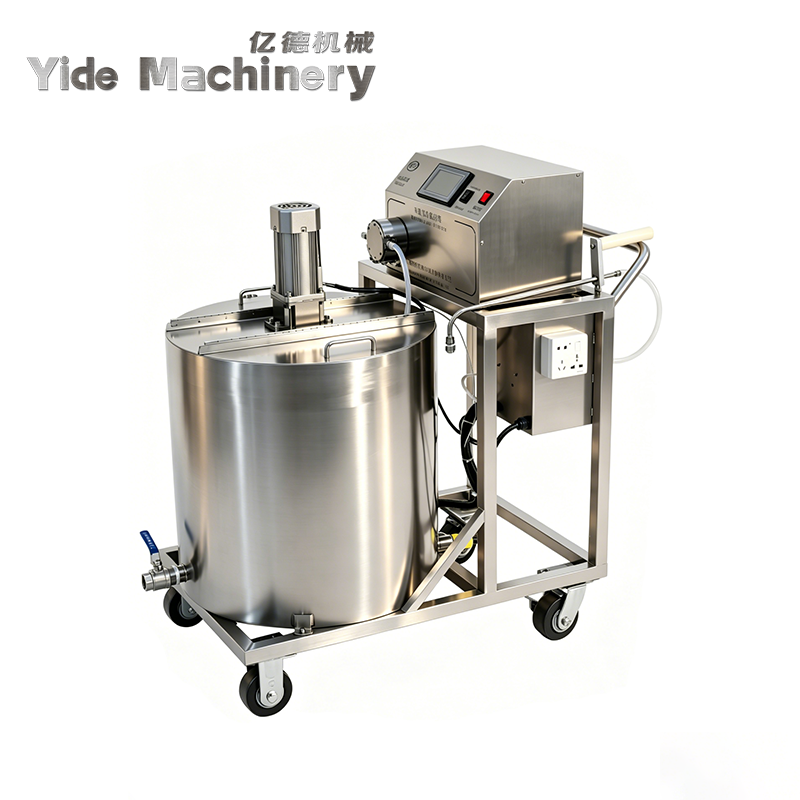
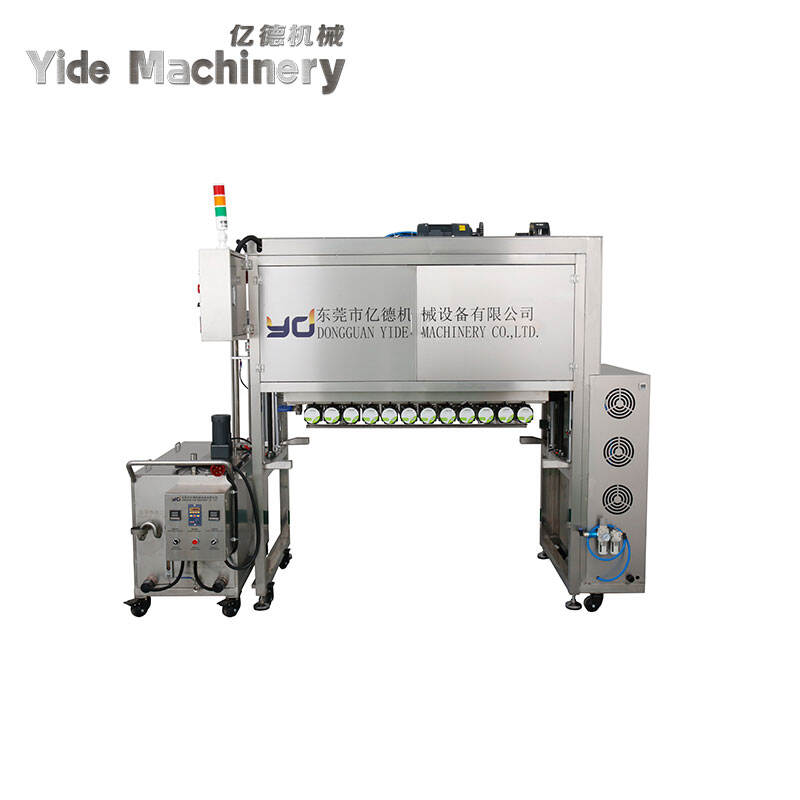
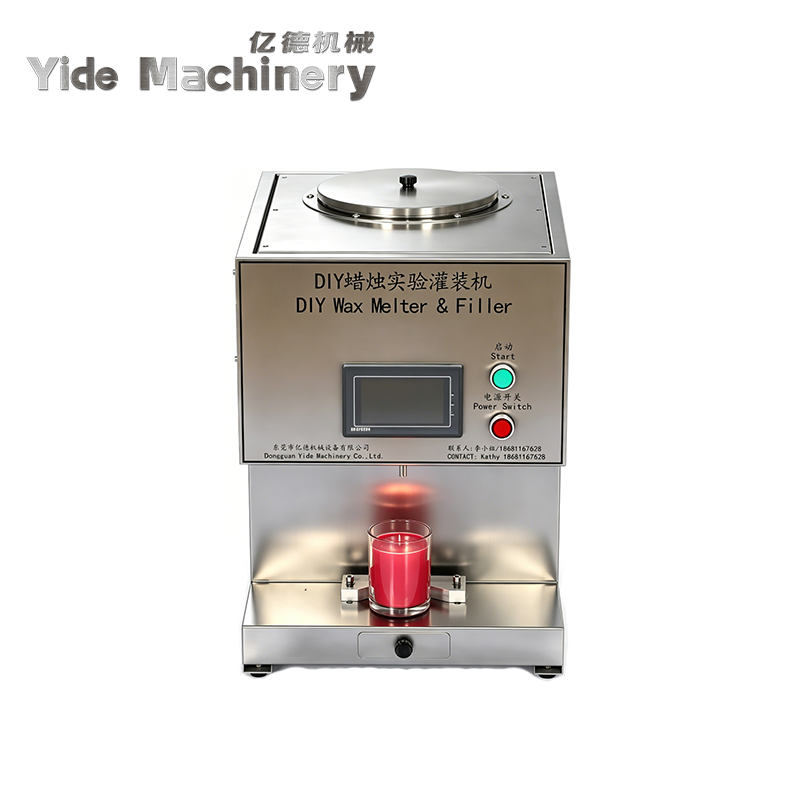
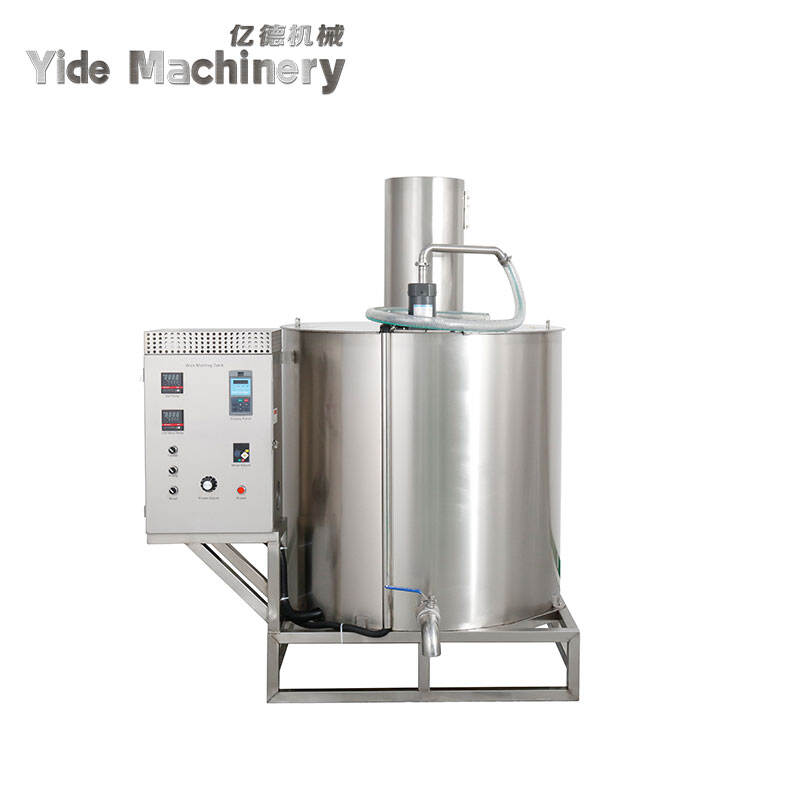
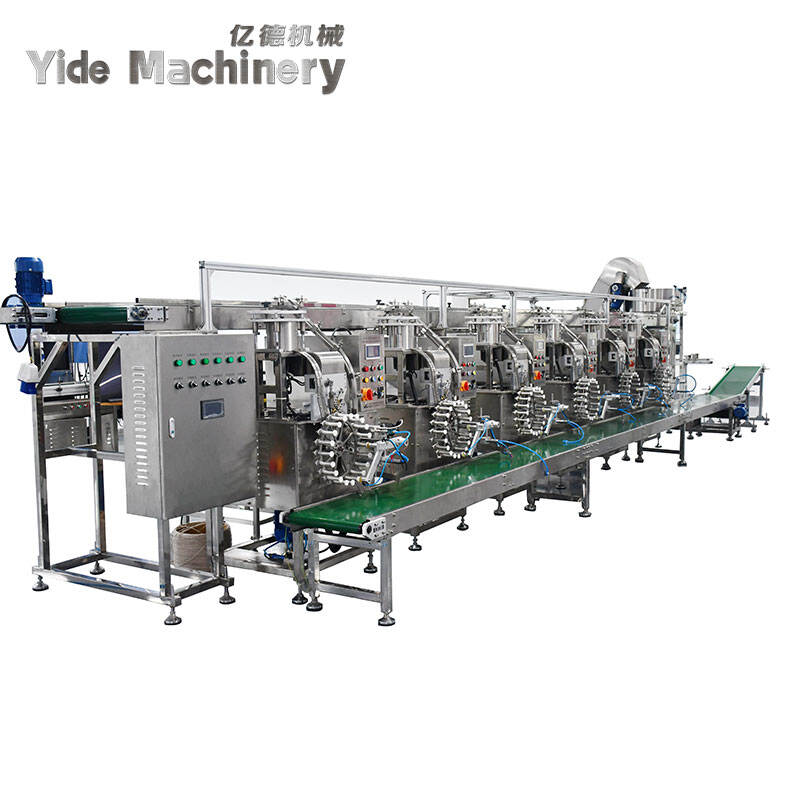
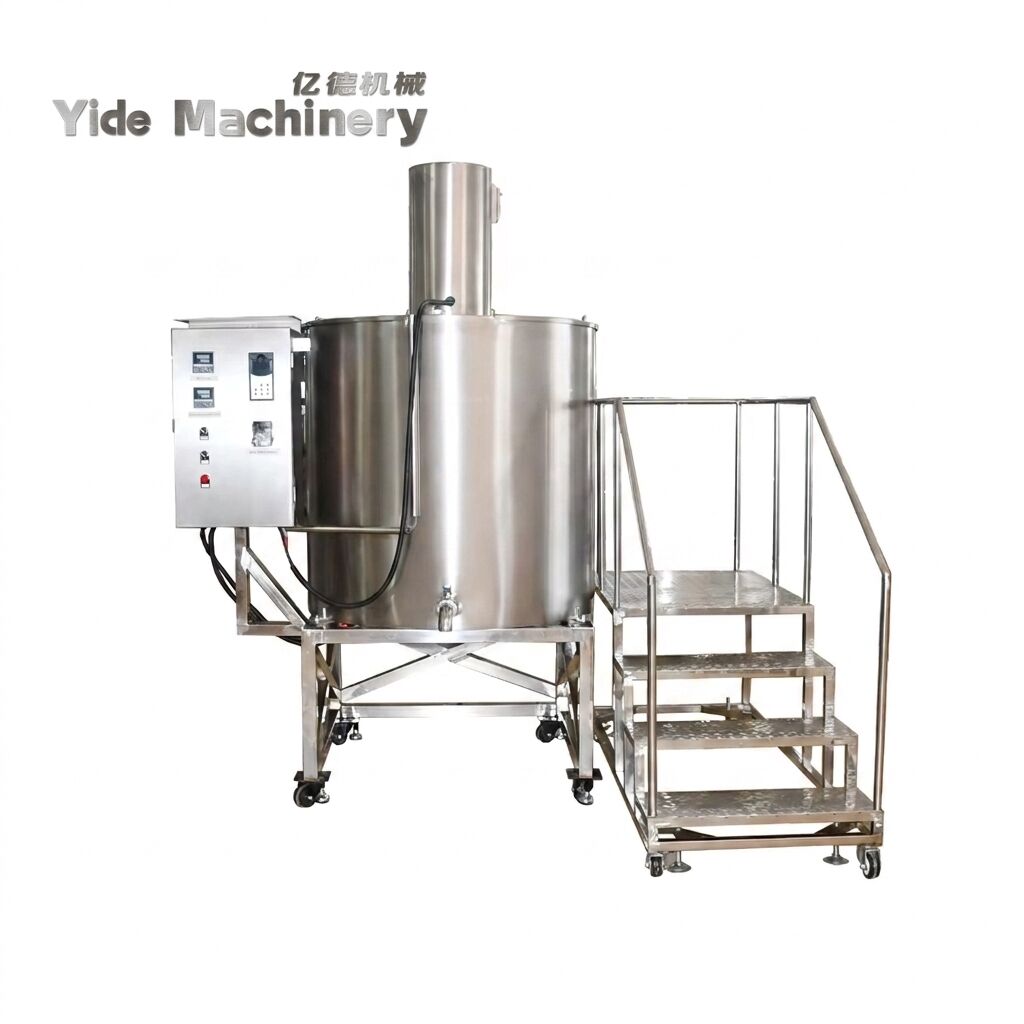
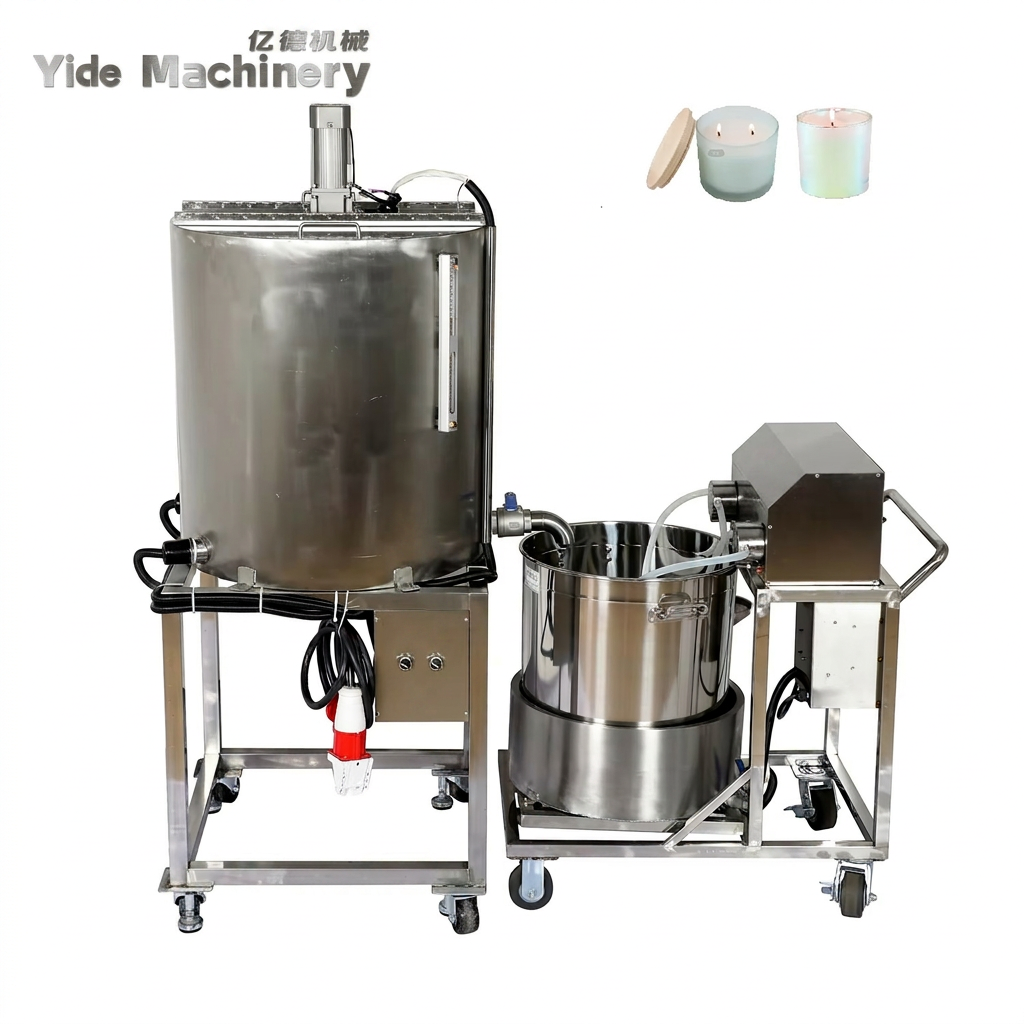
candle dipping machine equipment constructed food grade stainless steel 304,anti corrosion,antirust resistant high temperatures.standard motor replaced servo stepper motor order increase precision efficiency. pump made stainless steel food grade 316, not steel plastic.have different sizes pumps, such 4L, 6L, 10L 20L meet different filling range. PLC touch screen makes easy set parameters, such filling frequency, filling speed as well temperature requests more. There's broad selection candle equipment available not just semi-automatic, as well fully-automatic one. machines all updated details, be more flexible more stability.
Dongguan Yide Machinery Co.,Ltd expert manufacturing candle dipping machine, main product wax melting tank, filling machine wick machine. factory covers area 2,500 square meters, standard semi automatic candle machine stock more 100 sets. fully automatic line always 2 sets stock. We a commitment offering best solutions engineering candle manufacturers around globe.
Three QC employees 8 steps quality candle dipping machine ensure machine 100% reaching standards safety operation.We group comprised five professionals who give customised solution just 48 hours. Perfect equipment candle making business. We build machine accordance requirements.
The annual output exceeds 2,000 units, of which 1,500 are exported.We have perfect quality assurance system, in the same industry in China, we took the lead through the CE international quality system certification. Our Products sell well in more than 20 provinces and cities nationwide, also in western Europe and other countries.
Room 101, Building 2, No.28 Houde Road, Jiaolian Community, Wanjiang Sub-district, Dongguan, Guangdong Province, China
Copyright © 2023 Dongguan Yide Machinery Co., Ltd. Privacy Policy
 EN
EN
 AR
AR
 BG
BG
 HR
HR
 DA
DA
 NL
NL
 FI
FI
 FR
FR
 DE
DE
 EL
EL
 HI
HI
 IT
IT
 JA
JA
 KO
KO
 NO
NO
 PL
PL
 PT
PT
 RO
RO
 RU
RU
 ES
ES
 SV
SV
 TL
TL
 IW
IW
 ID
ID
 LV
LV
 SK
SK
 SL
SL
 VI
VI
 ET
ET
 HU
HU
 TH
TH
 TR
TR
 AF
AF
 LB
LB